Spicy AI Girlfriends Character Use Cases for Small Teams: Use Cases, Limits, and Decision Criteria
See when spicy ai girlfriends character use cases for small teams fits, how the workflow usually looks, and where the limits appear before you build around it.
For readers evaluating spicy ai girlfriends character use cases for small teams, the fit question is where it helps, which inputs control the result, and what needs human review before the workflow repeats. Spicy AI Girlfriends Character Use Cases for Small Teams needs clear fit signals around voice, boundaries, and session control. For tavern-ai.com, start with Tavern AI; bring in Browse All Characters only when it clarifies the next decision.
The practical version starts with evidence the reader can see: one character role, one opening scenario, and whether the voice and boundaries still feel coherent after a short chat. Tavern AI - Chat with Spicy AI Girlfriends & Character Cards anchors the page in the actual site experience, and SillyTavern's Characters documentation plus SillyTavern's Tags documentation add outside guidance on cleaner workflows. That matters for readers deciding whether spicy ai girlfriends character use cases for small teams fits a specific use case, workflow, or constraint. Because nearby published topics can overlap, this version narrows the audience, tightens the criteria, and keeps the search intent visible.
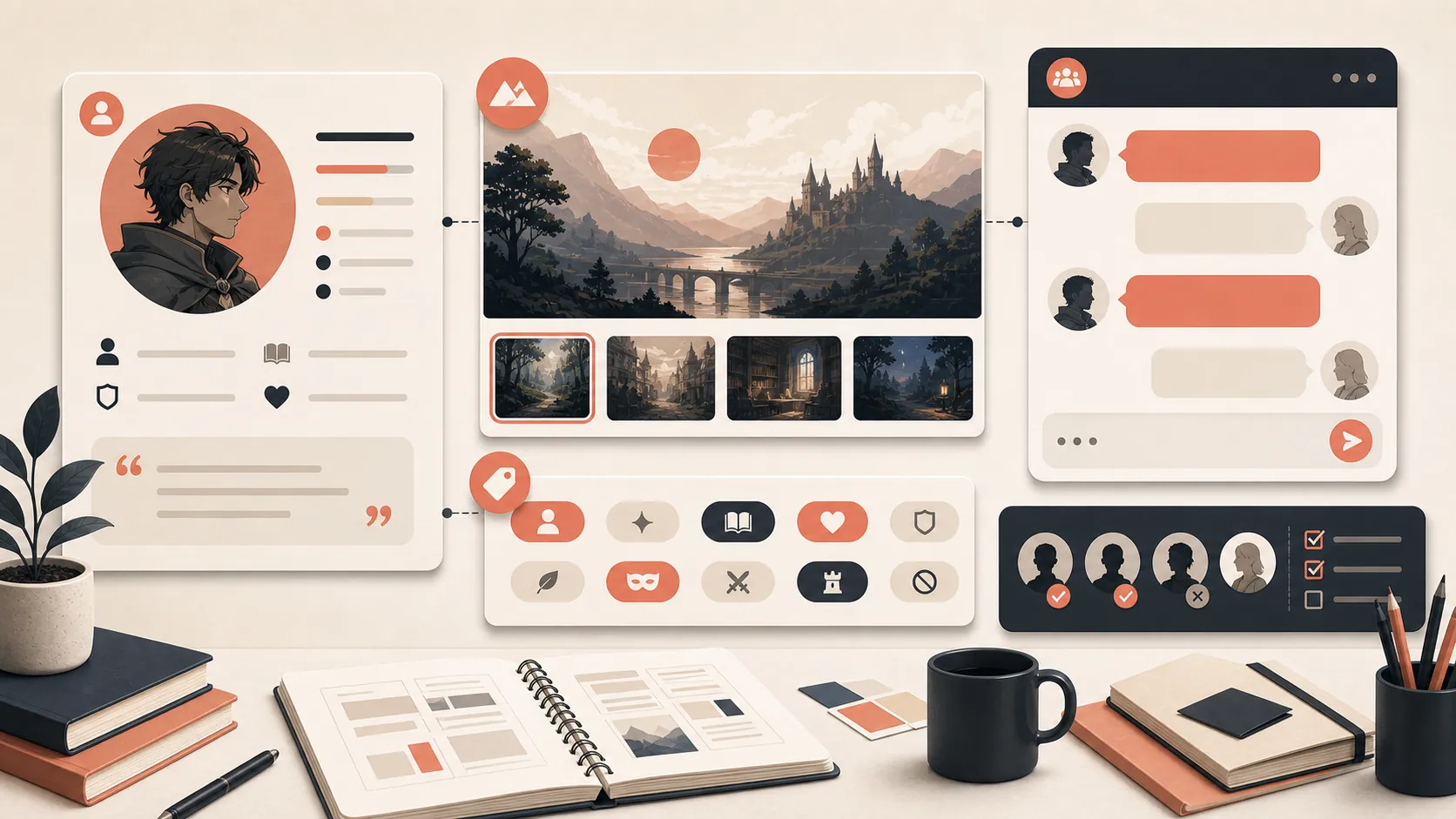
The article moves through The Practical Decision Behind Spicy AI Girlfriends Character Use Cases for Small Teams, Use Cases That Deserve a First Test, and Limits That Change the Recommendation so the reader can define the decision, test it once, and choose a next step.
Key Takeaways
- Frame spicy ai girlfriends character use cases for small teams around the reader's next move instead of a broad feature tour.
- Make Tavern AI the first validation step, then branch only when the evidence is still incomplete.
- Use The Practical Decision Behind Spicy AI Girlfriends Character Use Cases for Small Teams to define the job, owner, and success rule before opening more options.
- Use Use Cases That Deserve a First Test where one short session can prove value; pause when cleanup becomes the real work.
The Practical Decision Behind Spicy AI Girlfriends Character Use Cases for Small Teams
The first decision is not whether Spicy AI Girlfriends Character Use Cases for Small Teams sounds interesting. It is whether one short session can help with a named job. For a small team, that job might be one character role or one opening scenario; the review rule is whether the voice and boundaries still feel coherent after a short chat. Start with Tavern AI only after that job is clear, because browsing without a success rule makes every option look equally plausible. Anchor this to reader problem and decision point. Make reader problem, decision point, constraint, and tavern-ai.com context explicit so the paragraph cannot drift into a reusable framework.
- tavern-ai.com check: tie The Practical Decision Behind Spicy AI Girlfriends Character Use Cases for Small Teams back to reader problem and decision point before recommending another path.
- Separate curiosity from the repeatable Spicy AI Girlfriends Character Use Cases for Small Teams decision this section is meant to support.
- Use the first session for The Practical Decision Behind Spicy AI Girlfriends Character Use Cases for Small Teams to prove fit, not to explore every option.
Decision Criteria
- Reader Problem: name the exact job, the person doing it, and what would count as a useful first result.
- Decision Point: choose whether to test now, browse alternatives, or narrow the brief before moving.
- Constraint: keep the first spicy ai girlfriends character use cases for small teams session small enough to finish, review, and repeat without guesswork.
- Tavern-ai.com Context: decide how this changes the first spicy ai girlfriends character use cases for small teams test.
That baseline matters before the reader opens Tavern AI or uses SillyTavern's Characters documentation as a reference point, because both are easier to judge when the first job is already named.
Use Cases That Deserve a First Test
Spicy AI Girlfriends Character Use Cases for Small Teams creates the most value when the first result can be judged quickly and reused without heavy cleanup. That usually means the workflow has a visible input, a visible output, and a limit the reader can accept. If Chat helps compare options, use it as a check; if it only adds more choices, stay with the smaller test. Anchor this to scenario and fit. Keep the checkpoints visible: scenario, fit, tradeoff, and tavern-ai.com context.
- Decision point: use Use Cases That Deserve a First Test to remove one uncertainty, not to add another general option.
- Use comparison only when it reduces uncertainty for spicy ai girlfriends character use cases for small teams instead of adding work.
- Pause when the Spicy AI Girlfriends Character Use Cases for Small Teams workflow needs heavy cleanup before it creates value.
If Use Cases That Deserve a First Test leaves the reader with too many choices, return to the smallest character workflow test and compare one alternative through Chat.
Limits That Change the Recommendation
The first pass should be deliberately plain. Pick one route, run one session, and judge one result before changing the character, tone, scenario, or boundary. That discipline is what keeps spicy ai girlfriends character use cases for small teams from turning into random exploration. Anchor this to first test and ignore list. Anchor this section in first test, ignore list, review rule, and tavern-ai.com context, then leave out anything that does not change the decision.
- Try the lowest-friction path first.
- Ignore features that do not affect the first useful result.
- Keep the version that is easiest to repeat.
- tavern-ai.com check: tie Limits That Change the Recommendation back to first test and ignore list before recommending another path.
The useful next step is to run one small character workflow test, keep the result, and ask whether it clarifies the original decision.
A Short Checklist Before the Next Click
The final decision should be a verdict, not a mood. After one focused pass, the reader should know whether to continue, pause, or rewrite the brief. Use the checklist below before spending more time in Blog or comparing another path. Anchor this to go signal and pause signal. Make go signal, pause signal, next action, and tavern-ai.com context explicit so the paragraph cannot drift into a reusable framework.
- Go forward when the first test creates one usable outcome.
- Pause when the result depends on guesses the reader cannot verify.
- tavern-ai.com check: tie A Short Checklist Before the Next Click back to go signal and pause signal before recommending another path.
Checklist
- Go Signal: continue only when the first pass creates something usable without heavy cleanup.
- Pause Signal: stop when the result depends on assumptions the reader cannot verify.
- Next Action: open the relevant page, save the working version, or tighten the brief before retrying.
- Tavern-ai.com Context: decide how this changes the first spicy ai girlfriends character use cases for small teams test.
After this check, spicy ai girlfriends character use cases for small teams should have a clear verdict: continue with the path that worked, pause because the signal is weak, or rewrite the brief before spending more time.
Review Spicy AI Girlfriends Character Use Cases for Small Teams Before Scaling the Workflow
Before committing more time to spicy ai girlfriends character use cases for small teams, ask whether the first result is useful or merely interesting. The local question for tavern-ai.com is whether the result supports the next action the reader would actually take. If the first result looks interesting but does not help readers deciding whether spicy ai girlfriends character use cases for small teams fits a specific use case, workflow, or constraint, it is still too early to build a larger routine around it.
The review should answer three things: what worked, what needs one cleaner retry, and whether the result helps the reader choose one relevant next click. Those questions keep the decision grounded in evidence the reader can see. They also keep the workflow practical: one character role, one opening scenario, and whether the voice and boundaries still feel coherent after a short chat.
- Keep the first Spicy AI Girlfriends Character Use Cases for Small Teams test tied to one visible result.
- Change only the input, format, or review rule that caused the mismatch.
- Save the version that explains the decision most clearly.
- Pause when another retry would add activity without better evidence.
The point is not to make Spicy AI Girlfriends Character Use Cases for Small Teams sound bigger; it is to make the next decision easier to defend. They can move forward when the workflow produces one clear, reusable outcome, and they can pause when the process depends on guesses the first session has not proved.
FAQ
When Does Spicy AI Girlfriends Character Use Cases for Small Teams Make Sense?
Spicy AI Girlfriends Character Use Cases for Small Teams makes sense when one concrete job is ready for review. It is weaker when the reader cannot yet name the output, limit, or next action.
What Problem Does Spicy AI Girlfriends Character Use Cases for Small Teams Solve?
The problem spicy ai girlfriends character use cases for small teams solves is the gap between a broad idea and a result the reader can judge. It helps readers create a testable first pass, then compare that pass against Tavern AI, Browse All Characters, or another relevant page before investing more time.
What Does a Practical Spicy AI Girlfriends Character Use Cases for Small Teams Workflow Look Like?
Begin by writing the output target, run a small pass through Tavern AI, then compare with Browse All Characters or Chat after the baseline is visible.
What Are the Main Limitations of Spicy AI Girlfriends Character Use Cases for Small Teams?
Watch for weak inputs, unclear ownership, and late review criteria in Spicy AI Girlfriends Character Use Cases for Small Teams. Those mistakes make spicy ai girlfriends character use cases for small teams feel productive while hiding cleanup work.
How Do You Know If Spicy AI Girlfriends Character Use Cases for Small Teams Is the Right Fit?
The fit is strong when the Spicy AI Girlfriends Character Use Cases for Small Teams output survives a calm review and the next step is obvious. If the reader has to rescue the result manually, tighten the job first.
What to Do Next With Spicy AI Girlfriends Character Use Cases for Small Teams
Spicy AI Girlfriends Character Use Cases for Small Teams needs clear fit signals around voice, boundaries, and session control.
For spicy ai girlfriends character use cases for small teams, continue when the use case produces a result the reader can reuse, explain, or improve. Start with Tavern AI, then use Browse All Characters only when it improves the decision. For tavern-ai.com, that means the reader should leave with a concrete next click, not just a warmer opinion of the topic.